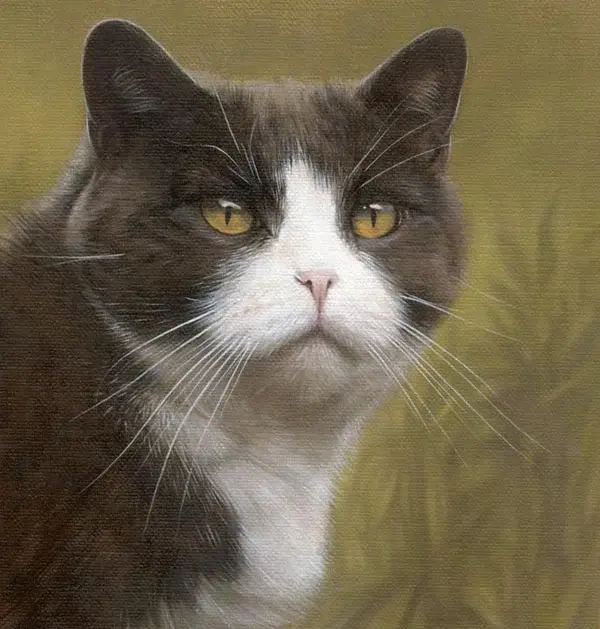
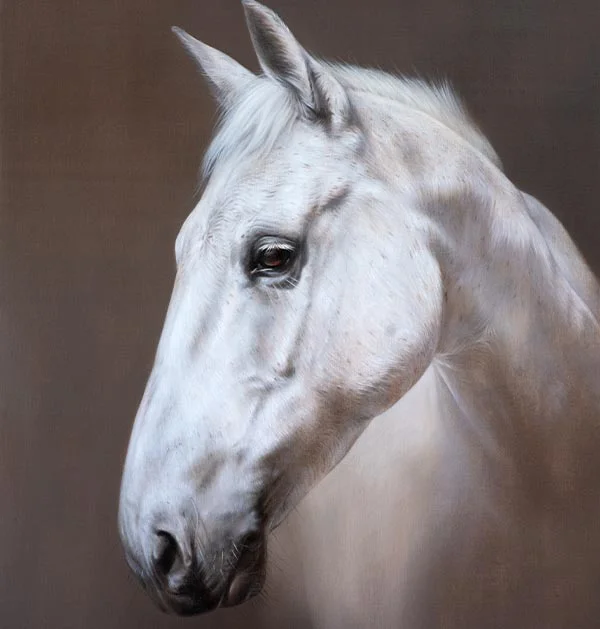
In Depth Guide to Pet Portrait Prices and Pricing
The Complete Guide to Pet Portrait Pricing - Understanding cost, value, and how to make the right investment
By Melanie Phillips and Nicholas Beall
Professional Pet Portrait Artists | Established 1996
Looking for our prices? Our pencil portraits start from £375 and oil paintings from £1,600 — see our full pricing here.
In Depth Pet Portrait Prices and Pricing Guide - At A Glance
- Why pet portrait prices vary so widely and why there is no single meaningful “average price”
- What really sits behind a quote, including the artist’s time, process, experience and the materials that affect how long your portrait will last
- How different mediums and formats (pencil, oil, traditional, digital and AI-assisted) influence both cost and long-term value
- Hidden or extra costs such as framing, mounting, delivery and international shipping so you can compare quotes fairly
- How to use clear questions and criteria to decide whether a particular price is fair for your expectations, home and budget
If you are reading this, you are probably thinking about commissioning a pet portrait and have already spent some time looking at artists. You may have visited several websites, browsed social media and noticed that prices seem to be all over the place — from very inexpensive “oil paintings” with rapid turnaround times, to carefully crafted commissions with long waiting lists. It can quickly start to feel overwhelming. If you are unsure how to compare what you are seeing, you are not alone.
I am Melanie Phillips and I work alongside my husband, Nicholas Beall. We are both professionally trained artists and have been creating pet portraits full time since 1996. I specialise in detailed graphite pencil drawings, while Nicholas creates traditional oil paintings on fine linen canvas. Between us we have completed over 850 commissions for clients across the UK, Europe, North America and beyond. You can also read our list of notable clients if you are curious. Over nearly three decades we have heard every pricing question imaginable, and that is exactly why we wrote this guide.
Pet portrait pricing really is complicated. Unlike buying a household appliance, there is no standard price list. Every artist works differently, uses different materials and produces a very different type of finished artwork. That makes direct comparisons almost impossible — unless you know what to look for. Price alone does not tell you whether a portrait will be right for you. Understanding what sits behind a quote matters far more than the number itself.
Looking for our specific prices rather than a general guide? You can jump straight to our Prices & Commission Information page where you will find our full pencil and oil pricing. This guide is about understanding what sits behind pet portrait pricing in general — which we hope is useful whether you commission us or another artist.
This guide will help you understand
- Why pet portrait prices vary so widely between artists
- What actually sits behind the price of a professional pet portrait
- The difference between pencil, oil, traditional and AI-generated work
- How materials, process and experience affect long-term value
- Hidden costs such as framing, delivery and international shipping
- What questions to ask before comparing prices
- How to decide what represents fair pricing for you
We are not here to persuade you that the most expensive option is always the best, or that you should commission us specifically. What matters to us is that you feel informed and confident — whether you choose us or another artist. Knowing what questions to ask is what really matters, and that is what this guide is for.
Looking for a quick overview of typical UK price ranges? Alongside this in-depth guide, we have written a more focused post covering what pet portraits actually cost across different mediums and price brackets in the UK. You can read it here: How much does a pet portrait cost in the UK?
Typical UK Pet Portrait Prices Ranges (Guide Only)
If you want a rough idea of typical UK prices ranges, the table below shows broad averages across different mediums and sizes. These figures are included as general guidance only. Individual artists may charge more or less depending on experience, materials, timescales, and the complexity of the commission.
Two portraits in the same medium and size can still be priced very differently. The artist’s process, experience and the time involved are often the deciding factors, not the numbers on their own.
Medium vs Size Comparison
Assumes: Single subject, simple composition, unframed work.
Often extra: Additional pets, detailed backgrounds, framing, and international delivery.
| Medium | A5 (8 x 6) |
A4 (10 x 8) |
|---|---|---|
| Digital | £25 – £60 | £30 – £80 |
| Pencil | £50 – £250 | £95 – £300 |
| C Pencil | £75 – £190 | £95 – £300 |
| Pastel | £110 – £220 | £120 – £400 |
| Watercolour | £120 – £280 | £120 – £400 |
| Acrylic | £180 – £450 | £250 – £550 |
| Oil | £250 – £500 | £380 – £700 |
Medium vs Size Comparison
Assumes: Single subject, simple composition, unframed work.
Often extra: Additional pets, detailed backgrounds, framing, and international delivery.
| Medium | A3 (16 x 12) |
A2 (24 x 18) |
|---|---|---|
| Digital | £80 – £140 | £150 – £250 |
| Pencil | £145 – £575 | £550 – £750 |
| C. Pencil | £145 – £575 | £550 – £750 |
| Pastel | £185 – £680 | £690 – £950 |
| Watercolour | £185 – £680 | £690 – £950 |
| Acrylic | £500 – £800 | £900 – £1200 |
| Oil | £710 – £1100 | £1400 – £5000 |
Pet Portrait Prices Brackets by Medium
One reason pet portrait prices feels so “all over the place” is that you are not comparing like for like. Different mediums have different material costs, different working methods, and very different time commitments. This overview is not here to tell you what you should pay, but to give you a sensible framework for comparing quotes across the most common portrait styles.
Think of it as pricing brackets rather than exact figures. Once you know where a quote sits (and why), it becomes much easier to judge whether it feels fair.
Pencil and Graphite Portraits
Pencil portraits are often one of the most accessible traditional options because the material costs are modest, but the skill and time requirement is still high. You will see everything from quick sketches through to highly detailed, professional graphite work on archival paper.
Coloured Pencil and Pastel Portraits
Colour work usually sits higher than graphite because building believable colour and depth takes longer and involves more materials. Pastel in particular can be labour intensive and is a fragile medium, which often means extra care in mounting and framing recommendations too.
Watercolour and Gouache Portraits
Watercolour and gouache often fall into a mid to upper bracket depending on detail and style. These portraits can range from light, decorative pieces through to very carefully built, realistic keepsakes. The artist’s process and control of layers makes a big difference here.
Acrylic and Oil Painted Portraits
Painted portraits usually sit in the higher brackets, especially oils. This reflects the cost of professional paints, canvas or panel, studio setup, and the longer painting process. With oils there is also drying time between layers and finishing stages, so the portrait often takes longer to complete even when the brush is not in the artist’s hand.
Digital Pet Portraits
Digital portraits often sit in a lower bracket because there are no physical materials and no shipping, and they can be delivered quickly. That said, high-end digital illustration can still be priced quite highly if it is bespoke, time-consuming, and created by an experienced artist. It really depends on whether you are buying a quick design or a carefully built piece of artwork.
In simple terms, most pricing falls into a few broad brackets:
- Entry-level work and simple sketches (lower bracket)
- Experienced hand-drawn work with strong likeness (mid-range bracket)
- Highly detailed traditional work using archival materials (upper mid-range bracket)
- Large, complex or fully painted bespoke commissions, especially oils (highest bracket)
- Digital portraits vary widely, depending on whether they are quick and simple or fully bespoke
The key point is this: medium matters, but so does the artist’s process. When you understand what is involved behind the scenes, pricing starts to feel far less random.
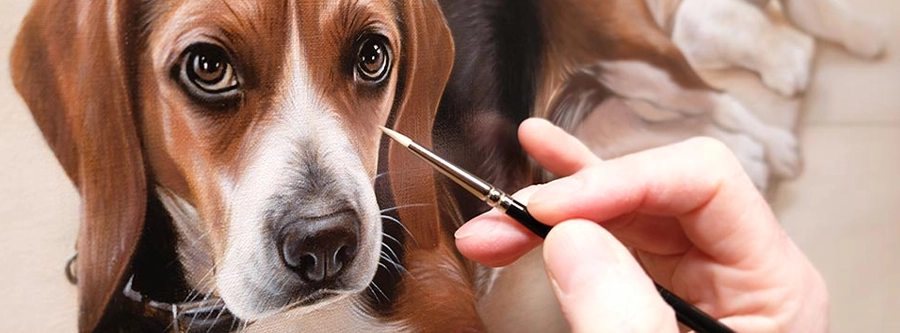 Nicholas painting two Beagles for a client in the UK
Pet Portrait Prices - What You Are Really Seeing
Pet portrait pricing can feel chaotic at first glance because there is no single system or standard behind it. What you are really seeing is a broad mix of business models, experience levels, materials and approaches to making art.
There Is No Single “Average Price”
When people ask, “How much does a pet portrait cost?”, the most honest answer is: it depends. It depends on who is creating it, how they work, what materials they use, how much time is involved and what kind of finished piece you are actually commissioning.
Think in Terms of a Spectrum
To make sense of this, it is useful to think of pet portrait artists as sitting across a spectrum rather than all offering the same thing at different prices. At one end, you might find fast, low cost options designed to produce a result quickly. At the other, you might find experienced professionals creating more considered work intended to last for generations.
Neither end of that spectrum is automatically “right” or “wrong”. They simply serve very different needs. Problems tend to arise when clients try to compare options as if they are directly equivalent, when in reality they are not offering the same product at all.
Different Business Models, Different Outcomes
Some artists – or larger pet portrait companies – focus on speed and volume. These often rely on simplified processes, minimal communication and materials chosen to keep costs low. The emphasis is on producing something that looks appealing at first glance, rather than on longevity, individuality or long‑term value.
Other artists work more slowly and deliberately. They may take on fewer commissions, spend longer on each piece and use professional‑grade materials designed to age well. This approach naturally comes with higher costs, but it also offers a very different experience and outcome.
Many Stages In Between
You will also encounter artists at many stages in between: emerging artists building their portfolios, part‑time artists balancing commissions with other work or family life, established professionals who have refined their process over decades, and artists with long waiting lists who raise their prices as demand grows. All of these factors influence pricing, often more than the size of the portrait alone.
Why Simple Comparisons Don’t Work
This is why there is no meaningful “average” price for a pet portrait. Two pieces that appear similar on a screen may involve very different levels of experience, time and material quality behind the scenes. Without understanding that context, it is easy to assume you are comparing like for like when you are not.
The Key Takeaway About Prices
The key takeaway at this stage is simple: price by itself tells you very little. What matters far more is understanding what sits behind that price and whether it aligns with what you are hoping to commission.
What You Are Really Paying For
When you commission a pet portrait, you’re paying not just for the final image but for the artist’s time, skill and the unseen work that brings it to life, from preparation and design through to finishing and presentation.
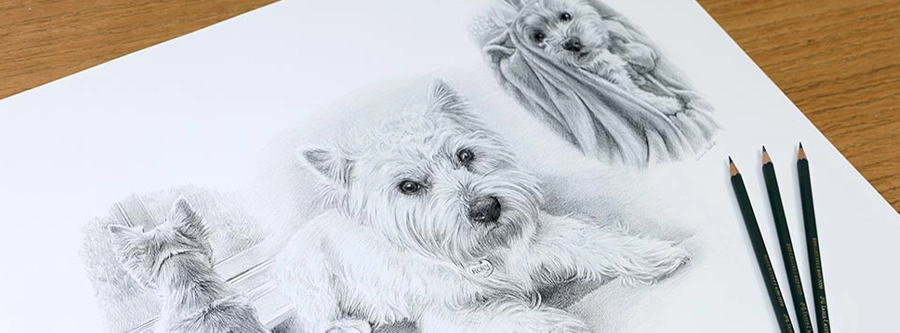 Rory the Westie as a Life Story portrait in Pencil
What You Are Actually Paying For
When people first look at pet portrait prices, it is very easy to think they are paying “for a picture”. In reality, a commissioned portrait is made up of many different elements, some obvious and some far less visible. Understanding those elements makes it much easier to judge whether a price feels fair or not.
Time and Materials
At its simplest level, a pet portrait involves time and materials. Professional papers, canvases, paints, pencils and finishing products all have real costs, especially when archival quality is involved. A larger or more complex portrait will naturally require more of both.
More Than Materials Alone
But materials alone are only a small part of the story. What most people are really paying for is the artist’s time, experience and ability to make good decisions on their behalf.
Unseen Stages of the Process
Creating a portrait is not just the hours spent drawing or painting. It also includes reviewing photographs, advising on reference images, planning the composition, making artistic choices about light and tone and solving problems when a photo is less than ideal. Even a seemingly simple portrait involves far more work than most people realise.
The Value of Experience
Experience plays a significant role here. An artist who has been working professionally for many years will usually work more efficiently, more confidently and with greater consistency than someone who is still learning. That experience allows them to anticipate issues before they arise and handle challenging requests effectively.
Copying a Photo vs Creating a Portrait
There is also an important difference between copying a photograph and creating a portrait. A skilled portrait artist is interpreting what they see, deciding what to emphasise, what to soften and how to capture the character of the animal rather than simply reproducing every detail mechanically. That judgment is developed over time and cannot be rushed.
Communication and Service
Communication and service are another part of the value that often goes unnoticed. Clear explanations, guidance through the process, progress updates and the ability to discuss adjustments all take time and care. A professional artist builds this into their working process so clients feel supported rather than left wondering what is happening.
Longevity and Preservation
Longevity also matters. Artists who use archival materials and proven techniques are creating work intended to last for decades, often generations. This affects both material choices and the way the artwork is constructed and finished. Cheaper options, for instance digital or AI generated, may look appealing at first, but they are rarely designed with long term preservation in mind.
The Real Meaning of the Prices
When you put all of this together, the cost of a pet portrait reflects far more than the finished image you receive. It represents time, skill, decision making, problem solving, communication and the intention to create something that will stand the test of time.
One useful thing to keep in mind: price alone does not reliably tell you whether a pet portrait will be right for you. Before looking at numbers, it helps to step back and ask a few practical questions.
Ask these three questions before you look at the price tag:
Pet Portrait Prices Questions
- Are archival materials being used? Will the paper, canvas and pigments be stable and designed to last 50+ years, or are they unknown or untested?
- Will I see the design before work begins? Is there a clear approval stage so proportions, pose and overall feel are agreed in advance?
- Do I genuinely like this artist’s style? Can I see consistency across their work, or does it look more like a filtered or digitally altered photo?
If the answers to these questions feel reassuring, the price often makes much more sense in context.
How Pet Portrait Pricing Is Commonly Structured
Most pet portrait pricing follows a few predictable patterns. While every artist works differently, the comparisons below show how pricing is typically shaped across the wider market, regardless of style or medium.
Digital / Entry Level
Common use: Decorative images, gifts, quick commissions.
Typical process: Digital creation or simplified hand drawn work, often with faster turnaround.
Things to note: No physical original, no framing and limited material costs.
- Medium Digital or simplified traditional
- Materials Minimal or non-physical
- Delivery Digital file or basic packaging
- Longevity Varies widely
Traditional Hand Drawn
Common use: Keepsakes, memorial portraits, heirloom pieces.
Typical process: Hand drawn work on archival paper with careful observation and likeness.
Things to note: Time investment is high even though material costs are modest.
- Medium Graphite, coloured pencil, pastel
- Materials Professional paper / pencils
- Framing Usually under glass
- Longevity Designed to last decades
Painted / Fully Bespoke
Common use: Statement pieces, multi pet portraits, traditional fine art.
Typical process: Layered painting on canvas or panel with drying and finishing stages.
Things to note: Higher material costs and longer production timelines.
- Medium Oil / Acrylic / Watercolour
- Surface Canvas, linen or Paper
- Timeline Weeks to months
- Longevity Museum standard materials
Why Pet Portrait Prices Vary So Much
Once you start comparing artists, it can feel as though everyone is making prices up as they go along. In reality, most pricing differences come down to a handful of practical factors. If you know what to look for, it becomes much easier to judge whether a quote feels fair.
Artist experience and training
A professional artist with years of commissions behind them will usually charge more than a beginner, not because they are trying their luck, but because the process is more reliable. You are paying for accuracy, judgment, consistency and the ability to handle tricky reference photos and still produce a strong likeness.
Medium and materials used
Different mediums come with different material costs and working methods. Archival paper, professional canvas, quality paints and light fast pigments all cost more, but they also help ensure the portrait is stable and long-lasting rather than something that fades or deteriorates over time.
Level of detail and realism
Some portraits are designed to be simple and stylised, while others aim for a highly detailed, realistic finish. More detail usually means more hours in the studio, and that time adds up quickly, especially when fur, eyes and subtle markings need careful observation.
Size, composition and number of pets
Larger artwork takes longer and involves more materials. Adding a second or third pet also increases complexity because each animal must look like itself while still working as one balanced composition. This is not just “more drawing”, it is more planning and refinement.
Design approval and communication
Some artists provide a clear approval stage before they begin the final piece, while others work straight through without showing anything until the end. A proper design stage takes time, but it also reduces risk and helps ensure the finished portrait matches what you had in mind.
Time investment and turnaround
Fast turnaround usually means a faster process, which may be perfectly fine for some buyers, but it is not the same as a slow, careful, bespoke commission. Traditional methods, especially layered painting, naturally take longer. Waiting lists can also affect pricing because they reflect demand and limited studio time.
Packaging, delivery and aftercare
Professional packaging, tracked delivery and sensible guidance on framing and care all take time and add cost. Some artists build these into their pricing and others charge separately, which is why two quotes can look similar at first but feel very different once you look at what is included.
When you put these factors together, pricing starts to look far less random. The aim is not to find the cheapest or the most expensive option, but to recognise what you are getting for the price and whether it matches what you want.
The “What If I Don’t Like It?” Factor
One of the biggest worries people have when commissioning a pet portrait is not about price at all, but about risk. What if it does not look like their pet? What if it does not feel right? What if they are unhappy with the finished result?
These concerns are completely understandable, and they are one of the reasons pricing can vary so much between artists. A well-structured process that reduces risk takes more time, experience and communication, but it makes a huge difference to how confident clients feel.
How the design and approval stage reduces risk
Rather than working straight through to a finished portrait and hoping for the best, we use a clear design and approval stage. This allows you to see the composition, proportions and overall feel before the final work is completed.
At this stage, adjustments can be made calmly and sensibly, whether that is refining expression, balance, or emphasis. It means the portrait develops with your input, not as a surprise at the end.
Why this matters when comparing prices
Some artists do not show any work until the portrait is finished. This can keep prices lower, but it also places all the risk on the client. A proper approval stage takes additional time and experience, which is reflected in pricing, but it dramatically reduces the chance of disappointment.
When comparing quotes, it is worth asking whether there is an opportunity to review the design before the final artwork is completed. Feeling confident about the process often matters just as much as the finished piece itself.
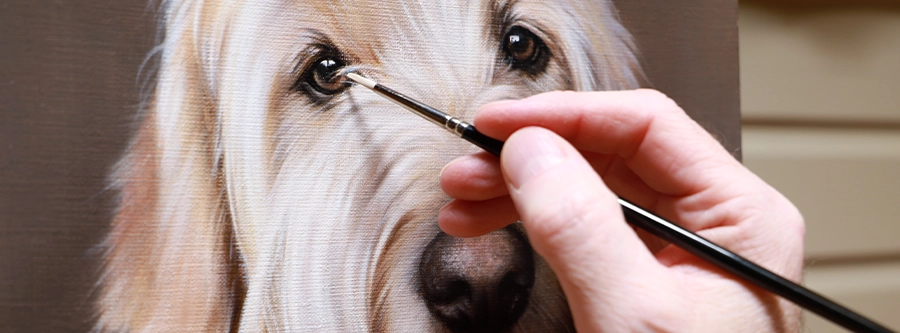 Nicholas painting Sammi for a client in the USA.
The Medium Matters: Pencil vs Oil
One of the biggest reasons pet portrait prices vary is simply the medium. In our business, a pencil drawing and an oil painting are not interchangeable products, even if the subject and size look similar on a screen. They require different materials, different working methods and very different amounts of time and technical decision making.
This is also where many people get stuck. You might love the look of both pencil and oil and not know which to choose. Or you might assume the choice is mainly about style, when in reality it also affects how the portrait is created, how it is finished and how it will live in your home long term. In actual fact we have a lovely page to compare oil and pencil pet portraits which you might enjoy reading about.
Pencil Portraits
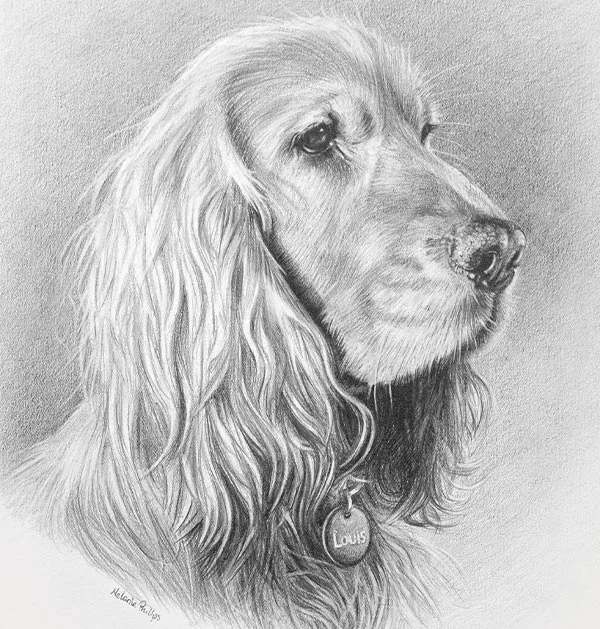
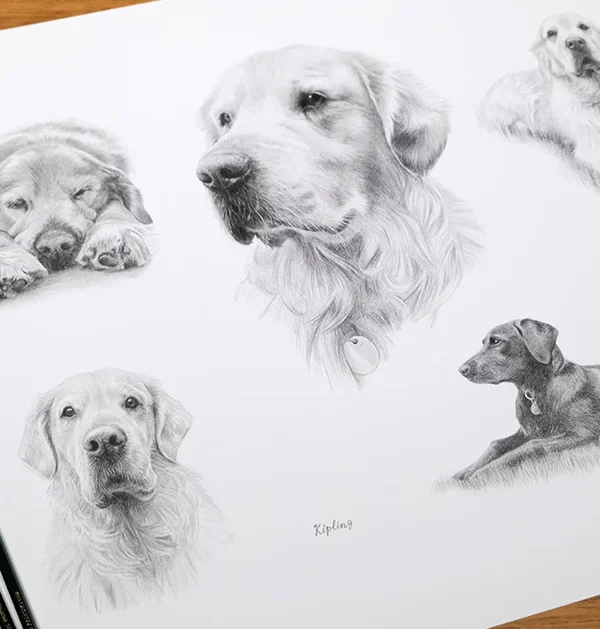
A good pencil portrait can be incredibly detailed and beautifully subtle. Graphite allows for fine texture, crisp edges and delicate tonal ranges, which is perfect for fur, whiskers and capturing the life like qualities of animals.
Pencil work is often thought of as “simpler” because the materials look modest. In reality, highly detailed graphite drawings are slow, controlled work. Portraits are built up gradually to create the finished piece. There is no quick shortcut if the goal is accuracy and realism.
Graphite pencil portraits are also usually created on specialist paper chosen for its surface and longevity. The paper needs to take multiple layers of graphite without becoming shiny or damaged and it needs to remain stable over time. Artists who work professionally will typically choose materials that are designed to last and are suitable for framing properly behind glass.
Pencil is often an excellent choice if you love detail, prefer a timeless look, want something that fits easily into most interiors, or you are commissioning a portrait as a memorial piece where subtlety and expression matter. They make beautiful gifts too.
Oil Paintings
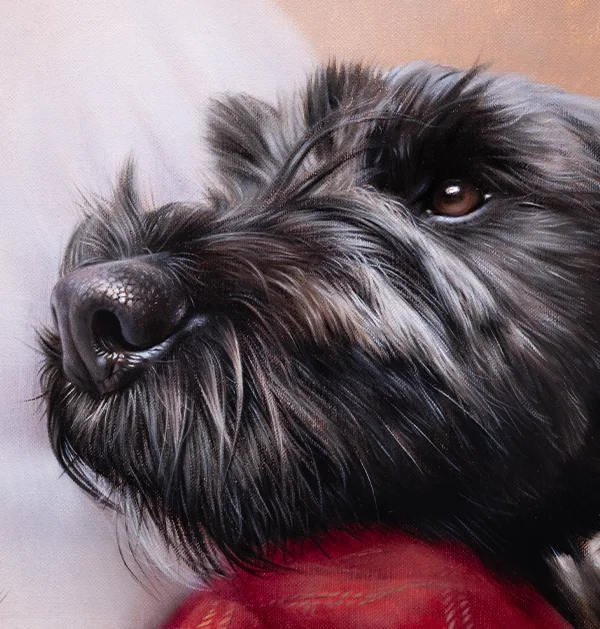
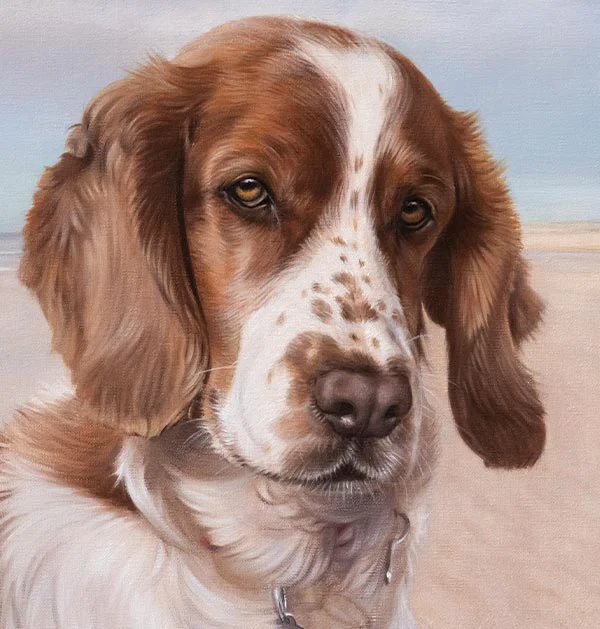
Oil paintings are a different beast altogether. This involves colour mixing, layering, drying time and decisions about tone, temperature, edges and background harmony. Even a natural looking oil portrait includes many stages that are not obvious from the final result.
Oils also tend to involve more physical setup and finishing. Professional oil portraits are usually created on quality cotton canvas or linen and often require careful preparation and packaging. The materials cost more, the process is slower and the margin for error is smaller because each stage builds on the last.
Oil portraits can be especially striking if you want rich colour, a more traditional “fine art” presence on the wall, or a larger statement piece that holds its own in a room.
So Which Should You Choose?
We have only really been chatting above about pencil and oil, however you might prefer a pastel, coloured pencil, acrylic, watercolour or even digital. There is no universal right answer and you do not need to overthink it. The best choice is usually the medium that you naturally respond to when you look at finished examples. Your home, your taste and the way you want to remember your pet matters too, what do you envisage on your wall?
If it helps, here is a simple way to think about it:
Which Medium Is Right for You?
- Choose pencil if you love detail, subtle shading, a classic look, and a portrait that frames beautifully and holds attention.
- Choose oil if you want colour, depth, traditional presence, and a portrait that feels like a statement artwork in the room.
The important thing is that you are comparing like for like. A pencil portrait priced lower than an oil painting is not automatically “better value”, just as a more expensive oil painting is not automatically “better”. They are different forms of work with different demands, and pricing often reflects that reality.
If you would like to explore this subject in more detail, we have also written a dedicated blog post that looks specifically at pet portrait pricing, why quotes can differ so dramatically, and what those differences really mean for the finished artwork. It expands on many of the points in this guide and is particularly useful if you are comparing artists and feeling unsure how to judge value beyond the headline price. You can read it here: Pet Portrait Pricing Explained.
In the next section, we will move beyond the medium and look at the practical factors that influence price in almost every commission, such as size, complexity, number of pets, background choices and the quality of the reference photo.
Price vs Value: What Are You Really Comparing?
When looking at pet portrait prices, it is easy to focus on the number alone. What often gets overlooked is what that price actually includes. The comparison below shows how different approaches typically trade price for process, materials and peace of mind. Neither approach is inherently right or wrong. The key is understanding what you are gaining and what you may be giving up when comparing prices.
The “Quick” Portrait
Typical focus: Speed and affordability.
Common trade-offs: Limited communication, simplified process.
- Creation Digital, templated or AI-assisted
- Materials Non-archival or non physical
- Design approval Often not included
- Revisions Limited or unavailable
- Longevity Uncertain
- Delivery Digital file or basic packaging
The Bespoke Portrait
Typical focus: Accuracy, longevity and reliability.
Common benefits: Clear process, communication and reassurance.
- Created by experienced artist
- Professional paper and canvas
- Mock ups included before final work
- Revisions available at final stage
- Longevity - Last for generations
- Delivery / tracked shipping
Common Pet Portrait Pricing Myths
When you are researching prices, it is very easy to pick up a few assumptions along the way, especially when you are jumping between websites and seeing wildly different quotes. Here are some of the most common pricing myths we hear, and what is usually going on in reality.
Myth 1: A higher price automatically means better quality
Not always. Higher pricing can reflect experience, materials and a slower, more careful process, but it can also reflect branding, demand or simply the artist’s chosen business model. The better question is whether the artist’s work is consistent, the materials are archival, and the process feels reliable and professional.
Myth 2: A cheaper portrait is always poor value
Again, not always. Some artists are early in their career and price lower while they build a portfolio. Others offer simplified work on purpose, such as looser sketches or smaller sizes. Low cost becomes a problem when the process is rushed, the materials are unknown, or the “portrait” is essentially a template, filter or AI-generated image rather than a bespoke piece of artwork.
Myth 3: Oil paintings should always cost more than pencil drawings
Oil portraits often do sit in a higher bracket because of materials, drying times and the longer painting process. However, the medium alone does not set the price. A highly detailed, realistic pencil portrait by an experienced artist can take a very long time and may sit in the same bracket as some painted work. It comes down to the process, not just the label.
Myth 4: All pet portrait prices include framing
Framing is usually separate. Professional framing can be a significant extra cost, particularly for larger pieces or archival framing behind glass. Some artists include framing, some offer it as an optional add-on, and many leave it to the client so you can choose a frame style that suits your home. It is always worth checking what is included.
Myth 5: If the portfolio looks good, the process must be safe
A polished portfolio is helpful, but it does not tell you everything. Look for consistency across many different pets, clear information about materials, and a process that includes good communication and sensible approval stages. If an artist is vague about how they work or what they use, that can be a red flag even if the images look impressive at first glance.
Myth 6: AI portraits are basically the same thing, just cheaper
AI-generated images can look striking, but they are not the same as a traditional hand-created portrait. A bespoke portrait involves observation, decision-making and careful control of likeness and detail, resulting in a physical original made to last. AI output is generated from datasets and can be produced quickly at scale. If your aim is a lasting keepsake, it is worth understanding the difference before you compare prices.
Once you remove these myths, pricing starts to feel less mysterious. The goal is not to find a “perfect” price, but to find an artist and a process that feel right for you, your pet, and the role the portrait will play in your home.
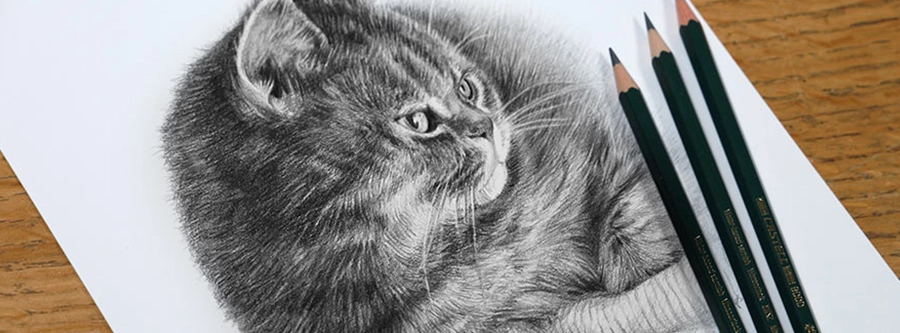 Sherry in Pencil by Melanie Phillips
The Practical Factors That Influence Price
Once you have a sense of which medium feels right, the next step is understanding why prices can still vary significantly within that category. This usually comes down to a handful of practical factors that affect the time, complexity and decision making involved in creating the portrait.
How Practical Details Affect Pet Portrait Prices
Size is one of the most obvious influences. Larger portraits require more materials and more importantly, more working time. As the scale increases, so does the level of planning needed to keep proportions, balance and detail consistent across the whole piece.
The Number of Pets
The number of pets included also plays a role. A single pet portrait allows the artist to focus on one set of features, expressions and proportions. When multiple pets are combined into one composition, the complexity increases. Each animal needs to feel like itself, while still working together as a coherent whole.
Pose and Composition
Pose and composition matter more than most people expect. A straightforward head and shoulders portrait is often less demanding than a full body pose, particularly if legs, paws, or complex foreshortening are involved. Full body portraits can be wonderfully expressive, but they require careful structural planning to look natural and balanced.
Background Choices
Background choices also influence both time and cost. A simple, softly toned background allows attention to stay on the pet and can work beautifully for many portraits. More detailed or scenic backgrounds require additional planning, layering and refinement, especially in painted work.
The Importance of Reference Photographs
Reference photographs play a surprisingly large role in the process. Clear, well-lit images taken at the pet’s eye level make it easier for the artist to work accurately and efficiently. When photos are blurry, poorly lit, or taken from awkward angles, the artist must spend more time interpreting and reconstructing details, which adds to the overall workload.
Behind-the-Scenes Work
There are also practical considerations that happen behind the scenes. Preparation, drying time (for painted work), varnishing and careful packaging all form part of a professional process. These steps are essential for creating work that arrives safely and lasts well, even though they are rarely visible to the client.
How These Factors Combine
None of these factors exist in isolation. A larger portrait with multiple pets, a full body pose and a detailed background naturally demands more time and concentration than a simpler commission. This is not about charging more for the sake of it, but about reflecting the genuine workload involved.
Why Comparisons Can Be Misleading
Understanding these practical influences makes it much easier to see why two portraits in the same medium can be priced very differently, and why comparing them purely by size or price can be misleading.
What Hidden Costs Clients Often Miss
In the next section, we will look at the less visible costs that are often overlooked and why some expenses only become apparent after a commission has already been completed.
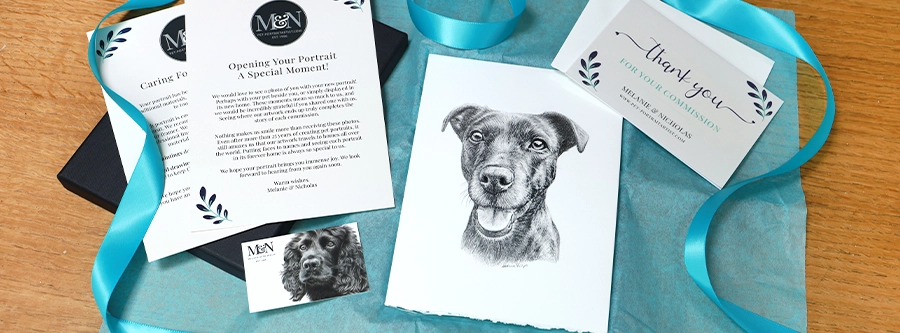 Packing the pet portrait of Lily to send to my client.
Additional Questions Clients Often Ask About Pricing
We try to be as clear and upfront as possible. Our prices include the consultation, the artwork itself, and careful, gift-ready packaging. Depending on the commission, delivery may be included or shown separately, and for international orders there may be customs charges set by the destination country. We always confirm exactly what is included before work begins, so there are no surprises later on.
Oil paintings involve higher material costs and a longer, more complex working process. Nicholas paints on professional linen canvas using traditional oil paints, building the image in layers that need time to dry naturally between stages. This can take weeks. Pencil portraits are created using detailed graphite work on archival paper and, while still highly skilled and time-consuming, they do not involve the same materials, setup or drying periods. Both are professional artworks, but the costs behind them are very different.
Yes. A deposit secures your place in our schedule. The balance due when we are ready to start your portrait.
This is a common concern, especially when we send large expensive oil paintings and pencil drawings through the post often traveling miles and miles. All portraits are carefully packaged and sent using tracked services. We take packaging and delivery seriously and treat every portrait as if it were our own. As every portrait is a bespoke commission created for one specific client, it does not have a resale value. For this reason, courier cover relates to the physical artwork and materials rather than the time spent creating it. If anything were to go wrong in transit, we would of course deal with it quickly and properly and you can read more about this in our Terms and Conditions.
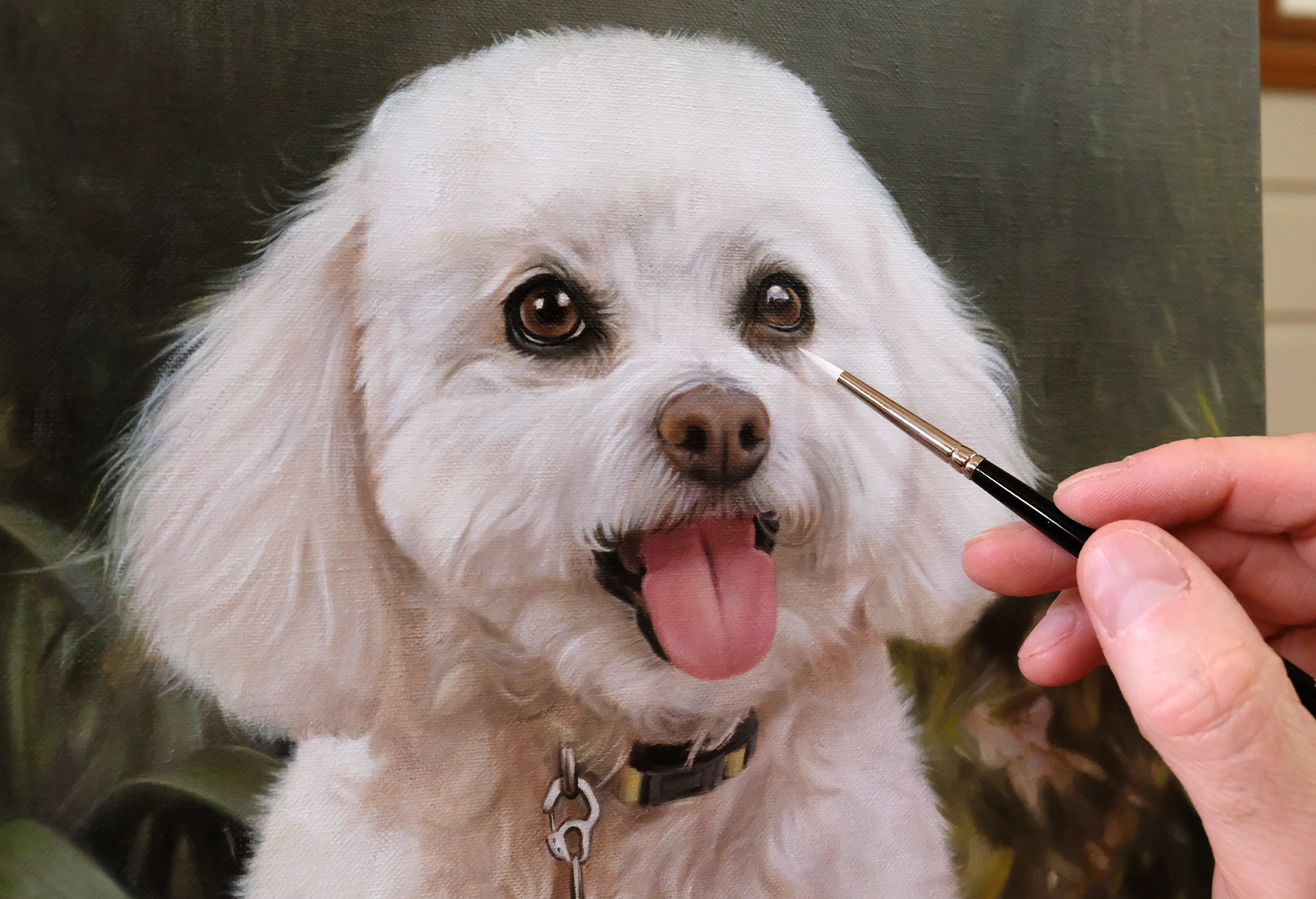 Oil painting of Lulu by Nicholas
The Hidden Costs People Often Forget About
When comparing pet portrait prices, most people understandably focus on the cost. What often gets missed are the additional costs that sit quietly around a commission and only become obvious later. These do not always appear on an artist’s price list, but they still affect the overall value of what you receive.
Framing After the Portrait Is Finished
One of the most common surprises is framing. Professional artwork is rarely supplied framed, as framing choices are personal and depend on where the piece will be displayed. However, good framing is not inexpensive, especially for larger portraits or archival materials that need proper protection behind glass.
Delivery, Packaging and Safe Arrival
Delivery and packaging are another area that is easy to underestimate. A professionally packed portrait requires protective materials, careful handling and shipping.
Longevity and Archival Materials
Some costs relate to the longevity of the artwork itself. Archival papers, canvases, varnishes and protective finishes are more expensive than standard materials, but they are chosen to ensure the portrait ages well rather than deteriorating over time. These choices are rarely visible, but they matter enormously in the long run.
Time Spent on Service and Support
There are also time-related costs that are not always obvious. Communication, preparation, planning and aftercare all take time. Artists who provide clear guidance, updates and support throughout the process build this into their pricing so clients are not left feeling uncertain or rushed.
Why “Cheaper” Can Cost More
None of these costs are inherently “hidden” in a misleading sense, but they are often overlooked when people first compare prices. This is why a portrait that looks more affordable at first glance can sometimes end up costing more overall, or delivering less long-term value than expected.
Planning Ahead to Avoid Surprises
Being aware of these factors early on allows you to budget realistically and avoid unpleasant surprises later in the process.
When a Low Price Is a Warning Sign
In the next section, we will look at one of the most important — and most misunderstood — parts of pet portrait pricing: how to recognise red flags in suspiciously cheap services, and when a low price should prompt closer questions.
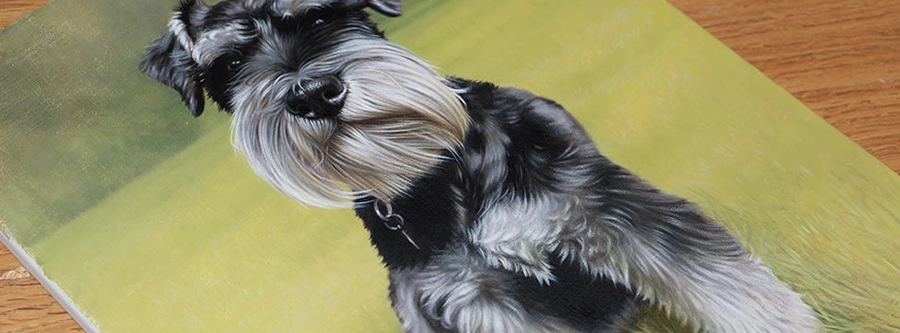 Oil Painting of Meg by Nicholas Beall
Red Flags: When a Very Low Price Should Prompt Questions
Affordable does not automatically mean poor quality, just as expensive does not automatically mean exceptional. However, there are certain situations where a very low price should encourage you to pause and ask a few sensible questions before committing.
Low Prices Are Not Automatically a Problem
This is not about criticising artists who charge less. Everyone has to start somewhere, and there are many genuine reasons why an artist’s prices may be lower at a particular stage in their career. The concern arises when the price and the promises do not seem to align with the reality of what is being offered.
When Price and Promises Do Not Match
Over the years, we have seen patterns emerge. When problems occur with commissions, they often trace back to the same warning signs. Being aware of them can save a great deal of disappointment later.
It may be worth asking more questions if you notice several of the following:
Pricing Questions Your Should be Asking
- Very fast turnaround times that do not seem realistic for hand created artwork
- Large numbers of near identical portraits across a portfolio
- Vague descriptions of materials or working process
- Little or no communication before payment is taken
- Prices that feel disconnected from the time and skill implied
- No signature on the artwork
When Speed Raises Questions
Fast production is not always a problem, but creating a truly bespoke portrait takes time. If a service promises rapid delivery while also claiming high levels of detail and individuality, it is reasonable to ask how that balance is achieved.
Spotting Repetition and Templates
Repetition within a portfolio can also be a clue. Professional artists develop a recognisable style, but each portrait should still feel distinct. If every dog appears in the same pose, lighting, or expression, it may indicate a templates process rather than a fully customised piece.
The Importance of Transparency
Transparency matters. A professional artist should be able to explain what materials they use, how the process works and what you can expect at each stage. If this information is missing or avoided, it becomes difficult to judge what you are actually commissioning.
Proceeding With Care, Not Suspicion
None of these points mean that a lower priced portrait is automatically the wrong choice. They simply suggest that a little extra care and curiosity are sensible before proceeding.
Looking Ahead
In the next section, we will look at how newer technologies, including AI-assisted imagery, fit into the current pet portrait landscape, and how to decide when traditional human artistry truly matters and when it might not.
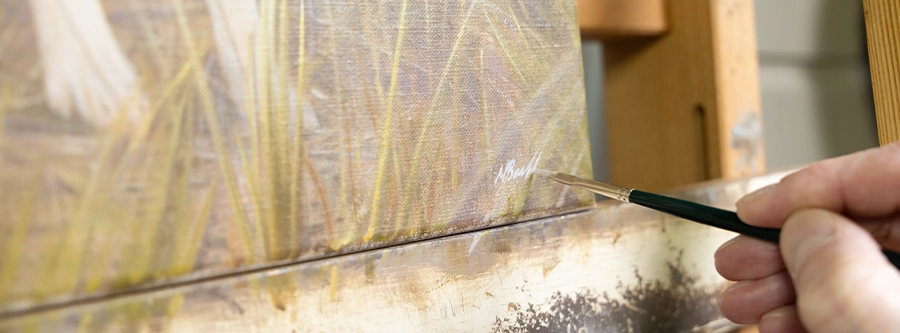 Nicholas signing his oil painting of Baxter
Traditional Art, Digital Work, and AI: Understanding the Difference
In recent years, the pet portrait world has expanded rapidly. Alongside traditional hand drawn and hand painted work, you will now see digital portraits, AI generated images and services that blend several approaches together. This has added another layer of confusion to pricing, particularly when very different processes are presented as if they are the same.
Why Different Methods Confuse Pricing
There is nothing inherently wrong with digital or AI assisted artwork. For some people, these options are exactly what they are looking for. The key is understanding what you are commissioning, how it is created and what role a human artist plays in the final result.
How Traditional Portraits Are Created
Traditional pet portraits are created entirely by hand, from start to finish. The artist studies your photographs, makes compositional decisions and builds the portrait gradually through drawing or painting. Every mark is intentional and every adjustment is guided by experience and judgment. The finished piece exists as a physical original, not a file or a reproduction.
What Makes Digital Portraits Different
Digital portraits by contrast are created using software rather than physical materials. A skilled digital artist can still bring personality, interpretation and creativity to their work, but the process, tools and final output are different. Digital portraits are usually delivered as files or prints rather than unique physical originals.
Where AI-Generated Images Fit In
AI-generated images introduce another distinction. These are typically created by algorithms trained on large datasets of existing images. While the results can look impressive at first glance, the process does not involve the same level of individual observation, decision making, or emotional connection to the subject. In many cases, the same underlying image structures are reused across multiple commissions.
Why Process Affects Pet Portrait Prices
This difference in process has a direct impact on pricing. AI-assisted services can be produced quickly and at scale, which allows them to be offered at much lower prices. Traditional hand created portraits take significantly longer and involve far more human input, which naturally places them at a different point in the pricing landscape.
Choosing the Right Option for You
The important question to ask yourself is not which option is “better”, but which one suits your expectations. If you are looking for a quick decorative image, a digital or AI-based service may be perfectly appropriate. If you are commissioning a keepsake, a memorial, or a piece of artwork intended to last for decades, the involvement of a human artist often matters far more.
Avoiding Misunderstandings and Disappointment
Being clear about these differences helps avoid disappointment. Problems tend to arise when clients believe they are commissioning a fully hand created portrait, only to discover later that the process relied heavily on automation or templates.
Bringing Price and Process Together
In the next section, we will bring all of this together and look at how to evaluate whether a price feels fair, based not on numbers alone, but on process, quality, and what truly matters to you.
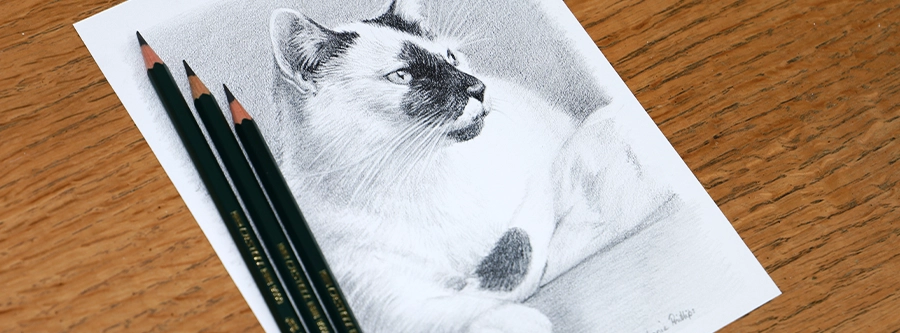 8x6 portraits in pencil by Melanie
How to Decide if a Pet Portrait Price Is Fair
By this point, you may still be looking at a range of prices and wondering how to decide what feels right. Rather than focusing on the number alone, it helps to step back and look at the bigger picture. A fair price is not about finding the cheapest option or the most expensive one, but about whether the cost makes sense for what is being offered.
Looking Beyond the Number
One of the most useful questions to ask is how the artist works. Do they explain their process clearly? Are they open about materials, timescales and what you can expect along the way? Transparency is often a good indicator of professionalism.
The Role of Experience
Experience also matters. An artist who has spent years refining their craft brings more than technical skill. They bring judgment, consistency and the ability to handle challenges calmly. That experience tends to show in both the finished work and the way the commission process is managed.
Assessing Quality and Longevity
Quality is another important factor, but it goes beyond how a portrait looks on a screen. Consider whether the materials are designed to last, whether the work will age well and whether the portrait is intended as a long term keepsake rather than a short term decorative piece.
Communication and Trust
It is also worth paying attention to how the artist communicates. Do you feel listened to? Are your questions answered thoughtfully rather than brushed aside? Commissioning a portrait is a collaborative process and feeling comfortable with the person creating the artwork is an important part of the overall experience.
To bring this together, a price is more likely to feel fair when it reflects:
Signs of a Fair Price
- The artist’s experience and consistency of work
- The time genuinely required to create the portrait
- The quality and longevity of the materials used
- The level of care, communication and support provided
- The intention behind the work — whether it is decorative or deeply personal
If most of these elements are present and align with what you are hoping to commission, the price is usually a reasonable reflection of the work involved. If several feel missing or unclear, it may be worth asking further questions before proceeding.
Ultimately, the right decision is the one that leaves you feeling confident, informed and comfortable. A portrait is not something you buy often and it is meant to be enjoyed for many years. Feeling at ease with your choice matters just as much as the finished artwork itself.
In the next section, we will look at how to think about your own budget realistically, and how to decide what level of investment makes sense for your situation and your expectations.
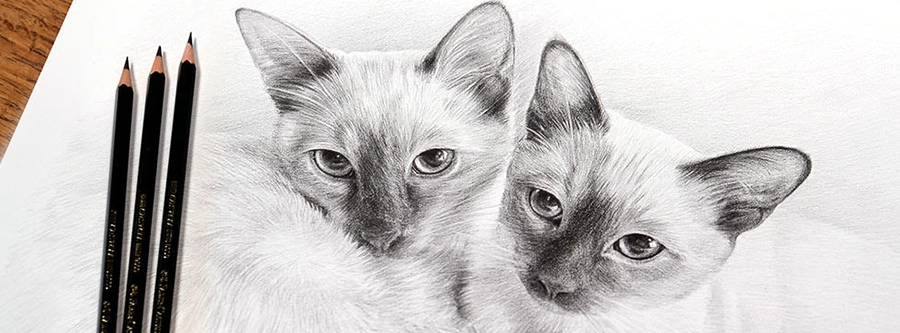 Two cats in pencil for returning client.
Thinking About Budget: What Really Matters to You
Once you understand how pet portrait pricing works, the next question is often a very personal one: how much should you spend? There is no single right answer, and it does not need to feel uncomfortable or awkward to think about budget.
Understanding Your Motivation
A helpful starting point is to think about why you are commissioning the portrait in the first place. For some people, it is a decorative piece for the home. For others, it is a deeply personal keepsake, a memorial, or a once in a lifetime gift. The role the portrait plays in your life naturally influences how much you may feel comfortable investing.
How Long You Want the Artwork to Last
It can also help to consider how permanent you want the artwork to be. Some portraits are intended to mark a moment in time, while others are chosen specifically because they are meant to last for decades. Neither approach is wrong, but they do sit at different points on the pricing spectrum.
Matching Budget to Expectations
Your budget does not need to stretch to the highest priced option to be valid. Equally, choosing to invest more does not need to be justified to anyone. What matters is that the level of work, care, and longevity you are paying for matches your expectations.
Setting a Comfortable Range
Many people find it useful to decide on a comfortable range before contacting artists, rather than asking for prices first and trying to work backwards. This makes conversations clearer and avoids the feeling of being pulled in a direction that does not feel right.
Thinking Long Term
If you find yourself torn between options, ask yourself a simple question: will I still feel happy with this decision in five or ten years’ time? Often, that answer tells you far more than the price alone.
When a Different Approach Makes Sense
In the next section, we will talk honestly about when professional, human-created artwork truly matters — and when choosing something quicker or more automated may actually be the better fit for your needs.
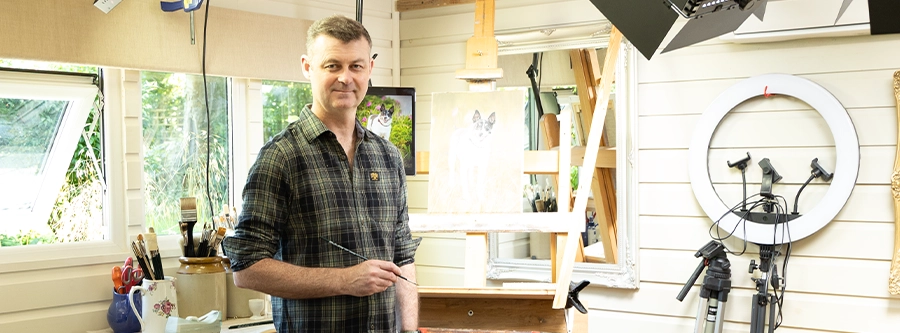 Nicholas Beall in his studio.
When Professional Human Art Matters — and When It Might Not
By now, you will have seen that there are many ways to turn a pet photograph into an image. The question is not whether one approach is universally better than another, but when professional, human created artwork truly matters to you.
When Speed or Convenience Is the Priority
There are situations where speed, convenience, or cost are the main priority. If you are looking for something light hearted, decorative, or simply want a quick visual reminder of a pet, digital or AI-based options can be perfectly adequate. For many people, they serve that purpose well.
When Emotional Value Matters Most
Professional hand created portraits tend to matter most when the artwork carries emotional weight. Memorial pieces, once in a lifetime gifts, or portraits intended to become part of a family’s history often benefit from the care, interpretation and attention that only a human artist can bring.
The Role of Human Judgment and Interpretation
A human artist is not just reproducing an image. They are responding to expression, posture and character and making judgment calls about what defines that particular animal. Those decisions are subtle and they are shaped by experience, empathy and time spent observing the subject.
The Value of the Process Itself
There is also value in the process itself. Many clients find comfort in knowing that someone has taken time to study their pet, to work thoughtfully from their photographs and to create something unique specifically for them. That sense of care and intention is difficult to replicate through automated processes.
Thinking About Longevity
Longevity plays a role here as well. If you want an artwork that can be framed, passed down and still be enjoyed many years from now, the choice of materials, techniques and craftsmanship becomes more important. Human created work is often designed with that long view in mind.
Choosing What Suits You Best
None of this means that one option is morally better than another. It simply means that different approaches suit different needs. Being honest with yourself about what you want from the portrait makes the decision clearer and far less stressful.
Viewing Our Own Pricing
Once you feel clearer about how pet portrait pricing works and what to look for, you may find it helpful to view our own pricing structure. We set our prices to reflect the time, materials, and care involved in each commission, and we aim to be as clear and upfront as possible about what is included. You can view our current pet portrait prices here: Pet Portrait Prices.
Final Thoughts
In the final section, we will bring everything together and offer a few closing thoughts to help you move forward feeling confident and comfortable with whatever choice you make.
Frequently Asked Questions About Pet Portrait Pricing
Pet portrait prices can vary a great deal. There is no single “standard” price because every artist works differently. Cost is influenced by experience, medium, size, number of pets, materials used, and the level of detail involved. A professionally hand-created portrait will reflect not just the time spent drawing or painting, but the skill, materials, and process behind it. Rather than focusing on numbers alone, it is worth understanding what you are actually paying for.
Prices vary because artists are working at different levels and in very different ways. Factors include training and experience, the quality of materials used, how long each commission takes, and whether the artwork is fully hand-created from scratch. Some services work quickly and at volume, while others focus on slow, bespoke work using archival materials designed to last for generations. These approaches naturally sit at very different price points.
Oil portraits usually cost more because they involve colour mixing, layering, drying times, and are typically painted on quality linen or cotton canvas. They require more materials, more physical setup, and more finishing work. Pencil portraits are created using detailed graphite work built up gradually on archival paper. They demand precision and time, but the materials and working process are different. Both mediums require skill, but the costs behind them are not the same.
Common additional costs include professional framing, which can be significant for larger pieces or archival framing behind glass, as well as delivery and specialist packaging. For international commissions, customs fees may also apply. Some artists include certain costs within their pricing and others charge separately, so it is always sensible to ask what is included from the start and budget for framing properly.
Potential warning signs include extremely fast turnaround times for supposedly hand-created artwork, portfolios showing very similar poses across different pets, vague information about materials or process, limited communication, and no visible artist signature. Low cost does not automatically mean poor quality, but these red flags can suggest templated processes, AI-generated images, or mass production rather than truly bespoke artwork. Asking clear questions about materials and process is always worthwhile.
Yes. Each pet must look like itself while also working together as a balanced composition. This involves careful planning of proportions, positioning, and overall harmony. A portrait with multiple pets is not simply a case of repeating the same work, but it does require additional time and refinement, which is reflected in the pricing.
Traditional hand-created portraits are produced entirely by a human artist from start to finish. They involve observation, judgment, and individual decision-making, resulting in a physical, one-of-a-kind original. AI-generated images are created by algorithms using large datasets and are produced quickly at scale. While they can look impressive at first glance, they often lack the individuality, artistic interpretation, and material longevity of professionally hand-created artwork. The choice comes down to whether you want a quick decorative image or a lasting keepsake.
Reference photo quality makes a real difference. Clear, well-lit photos taken at your pet’s eye level allow the artist to work accurately and efficiently. Blurry, poorly lit, or awkwardly angled images require more interpretation and reconstruction, which increases the workload. Good reference photos help ensure the final portrait looks natural and true to your pet.
Pencil portraits suit those who love fine detail, classic black and white artwork, and pieces that frame beautifully behind glass. They are especially popular for memorial portraits. Oil paintings offer rich colour, depth, and a strong traditional presence. Think about your personal taste, where the portrait will be displayed, and which medium you naturally connect with when viewing finished examples.
Budget depends on what the portrait represents for you. Is it a decorative piece, a memorial, a meaningful gift, or something you hope will stay in the family for years? Professional hand created portraits using archival materials are an investment, designed to last. When budgeting, consider the portrait itself alongside framing and delivery. A useful question to ask is whether you will still feel happy with your choice in five or ten years’ time.
A Final Buyer’s Checklist
Before you commission any pet portrait artist (including us), it can help to pause and check a few practical things. These questions have nothing to do with hype or marketing and everything to do with confidence and peace of mind.
Before you go ahead, ask yourself:
Buyer’s Checklist
- Can I communicate directly with the artist, rather than through a middle-man or platform?
- Is there clear evidence that archival-quality materials are being used?
- Is there a sensible process for design approval or revisions before the final piece is completed?
- Will the finished portrait be carefully packaged and sent using secure, tracked delivery?
- Can I see a consistent body of work created over several years, not just a handful of recent examples?
If you can comfortably answer yes to these points, you are far more likely to end up with a portrait you will enjoy living with, rather than simply something that looked good online at the time.
Choosing a pet portrait is not about finding the lowest price or the loudest marketing. It is about finding an artist whose work, process and values feel right for you.
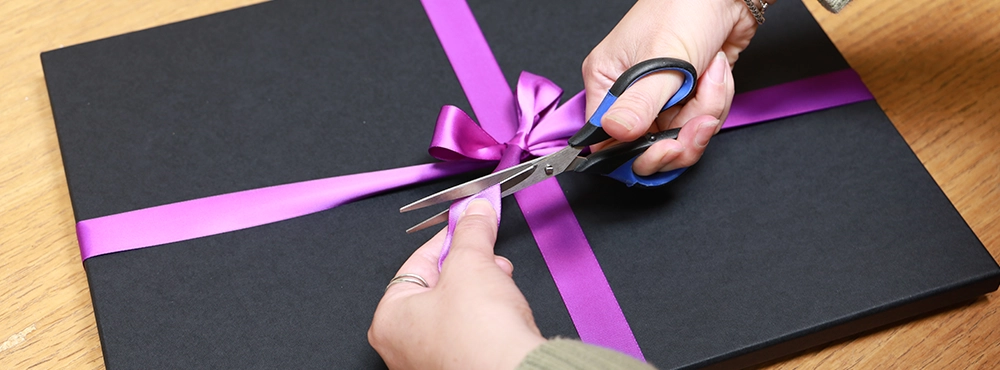 Professional Pet Portrait Packaging.
Final Thoughts: Choosing Well and Feeling Confident
If you have made it this far, you are already doing something most people do not do. You are taking the time to understand what you are commissioning, rather than rushing into a decision based on a price tag and a few photographs online. That care tends to lead to the best outcomes.
Understanding What Sits Behind the Price
Pet portrait pricing can look messy on the surface, but it becomes much clearer once you know what sits behind it. Materials, time, experience, communication and long term quality all play a part. The medium matters. The reference photographs matter. And just as importantly, what the portrait means to you matters.
Finding the Right Fit
The goal is not to find the “perfect” price. The goal is to choose an artist and an approach that fits your expectations, your home and the reason you are commissioning the portrait in the first place. When those things align, the price usually makes sense.
Keeping the Decision Simple
If you are unsure where to start, keep it simple. Look for an artist whose work you genuinely connect with. Check that they are clear about process and materials. Make sure you feel comfortable speaking with them. And do not be afraid to ask questions. A professional will welcome them.
Choosing With Confidence
Whether you choose a traditional hand-created portrait, a digital commission, or something quicker and more automated, what matters most is that you make a decision you feel good about. A portrait should be a pleasure to own, not something you second guess.
Exploring a Commission With Us
If you would like to explore commissioning a portrait with us, you can browse our pencil drawings and oil paintings on the website and see examples of past commissions. If you have a question about photos, sizes, or which option might suit your pet best, you are very welcome to get in touch. We are always happy to advise, even if you are still at the early research stage.
A Final Thank You
Thank you for taking the time to read our guide and we hope it has helped you feel clearer and more confident about what to look for and how to choose well.
View Our Pet Portrait Prices
Why not now check out our pet portrait prices for our pencil drawings and oil paintings. You can see them here - Pet Portrait Prices.